
Why Some Memorial Jewellery Brands Use Resin | Pros & Cons
Why do some memorial jewellery brands use resin?
Resin is widely used in memorial jewellery because it is inexpensive, easy to shape, and allows ashes to remain visible within the design. It can create meaningful and visually striking keepsakes, but the long-term durability and stability of resin can differ significantly from more traditional jewellery materials such as kiln-fired glass and precious metals.
- →Resin allows visible memorial designs ashes, hair, petals, or other fragments can be suspended inside the material to create highly personalised effects.
- →Different materials age differently resin may react to sunlight, moisture, heat, or everyday wear over time, while kiln-fired glass and precious metals are designed for longer-term durability.
- →Construction methods matter too how the ashes are sealed, protected, and incorporated into the jewellery is often just as important as the material itself.
Shopping for memorial jewellery while you are in the midst of the grieving process can be really difficult. You want to make the right choice, but the sheer number of options available to you can be overwhelming.
You might come across resin jewellery and wonder if this is the right choice for you. It’s often cheap, widely available and can be customised to your specifications. But there are some limitations to this material that you need to know about.
In this guide, we’re taking a deep dive into the world of resin jewellery and exploring the benefits and downsides to this material. We’ll also explore some alternative options you could explore in order to create a long lasting memorial to your loved one.
What is resin memorial jewellery?
Memorial jewellery is a kind of keepsake that contains a symbolic portion of cremation ashes or the hair of a loved one. It can be used to commemorate people or pets. Resin is a type of plastic that is made by mixing together two liquids. When combined, the material goes through an exo-thermic reaction which causes it to set hard.
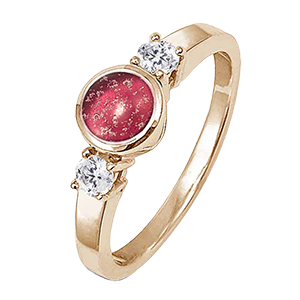
Resin jewellery is often made by pouring it into a mould and adding items like ashes, hair, fur, glitter, dye, flower petals and other small objects, allowing these to remain suspended in the object. As the resin sets, this solidifies into a solid object that can be polished and then attached to a chain to create a pendant. You can also create small resin gems that can be set into a ring.
Why is resin a good choice for memorial jewellery?
Resin can be a good choice for memorial jewellery as it is cheap and can even be used in a DIY jewellery making kit. This offers the grieving individual some control over the design of the piece, while also giving them a creative project to focus on during this difficult time.
Resin is also popular as it allows for creative expression. It suspends objects within the plastic, creating a visual memorial that is more than just symbolic. You can include memorial fragments alongside the ashes, such as petals from special flowers, or sand from a special location.
If the individual doesn’t plan to wear the jewellery very often, then resin can be a popular choice for a low cost memorial. However, there are also some limitations to consider before choosing this for an ashes keepsake.
How resin is used in memorial jewellery
Ashes are mixed into the resin
A small quantity of ashes is blended into liquid resin before it hardens. This allows the ashes to remain visible within the finished jewellery piece.
The resin is shaped and coloured
Colours, metallic flakes, petals, glitter, or other memorial fragments can be added before the resin sets. This flexibility is one reason resin became popular within memorial keepsakes.
The finished piece is set into jewellery
Once hardened, the resin element is shaped and placed into rings, pendants, bracelets, or charms. Some brands use adhesive settings, while others combine resin with traditional jewellery techniques.
Long-term durability depends on the materials used
Different memorial jewellery methods age differently over time. Many people compare resin with kiln-fired glass, sealed chamber jewellery, and precious metal construction before deciding which approach best suits everyday wear and long-term heirloom use.
Downsides of using resin for memorial keepsakes
While resin might be cheap and easy to use, it also has some clear limitations. First, the material is plastic and this means that it will be prone to breaking down over time. Exposure to UV light and water will speed up this process and it could start to degrade, leaving the ashes housed within vulnerable to coming loose. If you’re looking for a memorial keepsake that will last a lifetime and keep the ashes safe forever, then resin is not a great choice.
Resin is also known to turn yellow over time, and this process will be accelerated if the person regularly touches the memorial. Since memorial keepsakes are designed to be tactile pieces that you can turn to for comfort, it isn’t ideal when the piece doesn’t stand up to regular contact.
The surface can also become scratched and dull over time, leading it to take on an opaque appearance. This will eventually make it impossible to see the remains and fragments housed within, so it won’t be visible forever.
And finally, resin is known to shrink over time, which could cause the resin gemstone to come loose in its setting. If this happens, you could lose your gemstone, which would be very distressing.
What’s a better alternative to resin?
Glass would be a better alternative to resin if you’re looking for something brightly coloured that will keep the cremation ashes visible. Glass is far more durable and won’t break down due to exposure to water or UV light. It also doesn’t turn yellow with time, and it won’t become scratched and opaque. It also doesn’t shrink or fracture, so it will remain safe in its setting as long as you care for it.
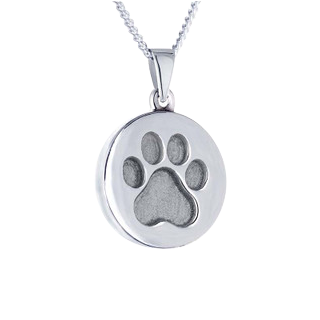
You could also consider precious metal hidden compartment jewellery, as this will house the ashes or hair within a small compartment in the body of the jewellery. A small compartment is filled and then laser welded shut to keep the remains safe and secure. This is one of the most secure methods for storing cremation ashes, and you can be confident the jewellery will last a lifetime.
Hidden compartment jewellery doesn’t have to only contain ashes. You could create a small mix of items such as sand, petal fragments or even chips of precious stones. You’ll also have the option to set a stone like a diamond in the jewellery, turning this memorial keepsake into a statement piece of jewellery that could even become a family heirloom.
How to make a final choice
If you want to make the jewellery yourself, then resin might be the better option. However, you should be aware that it won’t be as durable and will break down over time.
If you’re going to make a resin keepsake, you might consider using this material to create a tree ornament or a paperweight, as this won’t be something that you wear every day, so it will have some protection. Even if you aren’t wearing this item every day, it will still suffer from wear and tear unless you keep it in a controlled environment.
For an everyday piece of jewellery, the cheaper option would be a glass gemstone. For a more extravagant piece, consider precious metals with a hidden compartment. This will keep the ashes safe and secure and you won’t need to worry about any part coming loose.
Another benefit of hidden compartment jewellery is that any worn components can be daily repaired.
Considering alternatives to resin for daily-wear memorial jewellery? Read Why We Don’t Use Resin, explore memorial glass, or choose more discreet ashes jewellery with a hidden compartment.