
Fingerprint Jewellery vs Ashes Jewellery
What’s the difference between fingerprint jewellery and ashes jewellery?
Fingerprint jewellery preserves the unique physical imprint of a loved one, while ashes jewellery contains a symbolic portion of cremation ashes within the piece itself. Both offer different kinds of emotional connection — one through identity and touch, the other through physical presence and remembrance.
- →Fingerprint jewellery feels tactile and personal many people find comfort in physically touching the print during moments of grief.
- →Ashes jewellery creates a physical connection a small symbolic portion of ashes is permanently incorporated into the memorial piece.
- →Some families choose both combining fingerprints, ashes, engraving, or gemstones can create a more layered and personal tribute.
Memorial jewellery comes in many shapes and forms. These small keepsakes can help individuals going through the grieving process to help them to find strength and resilience. Two of the most popular forms of memorial jewellery are ashes jewellery and fingerprint jewellery.
While they are both pieces of jewellery, how they are made are very different. If you decide you would like to make a piece of memorial jewellery, it’s essential to plan ahead. In many cases, it’s far better to plan to make both, and then you can decide at a later date. The last thing you want is to have any options ruled out due to poor timing.
Let’s explore the different types of memorial jewellery available and how you can create these lasting tributes to your loved one.
What is ashes jewellery and how is it made?
Ashes jewellery refers to a type of jewellery that contains a symbolic portion of cremation ashes. The jewellery is not an urn, and you cannot carry all of the ashes. Keeping a small portion might help to make the process of scattering the ashes much easier.
Wearing ashes jewellery can also be a source of support for those going through the grieving process, as it provides something tactile to hold on to. Some people find that wearing their loved one’s ashes helps them to feel supported and connected to the individual.
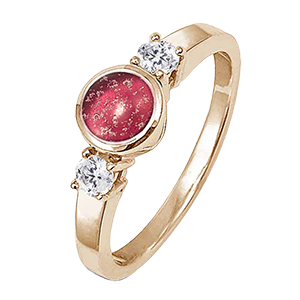
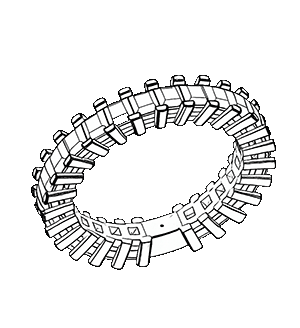
There are lots of different types of ashes jewellery available. The most common is hidden compartment jewellery. This is made by creating a piece of jewellery in precious metal such as silver, gold or platinum. A small hidden compartment is crafted inside the piece where the ashes are stored.
Once the ashes are placed inside, the chamber is welded shut, keeping the ashes safe forever. This jewellery can then be adorned with glass gemstones, precious gemstones or diamonds.
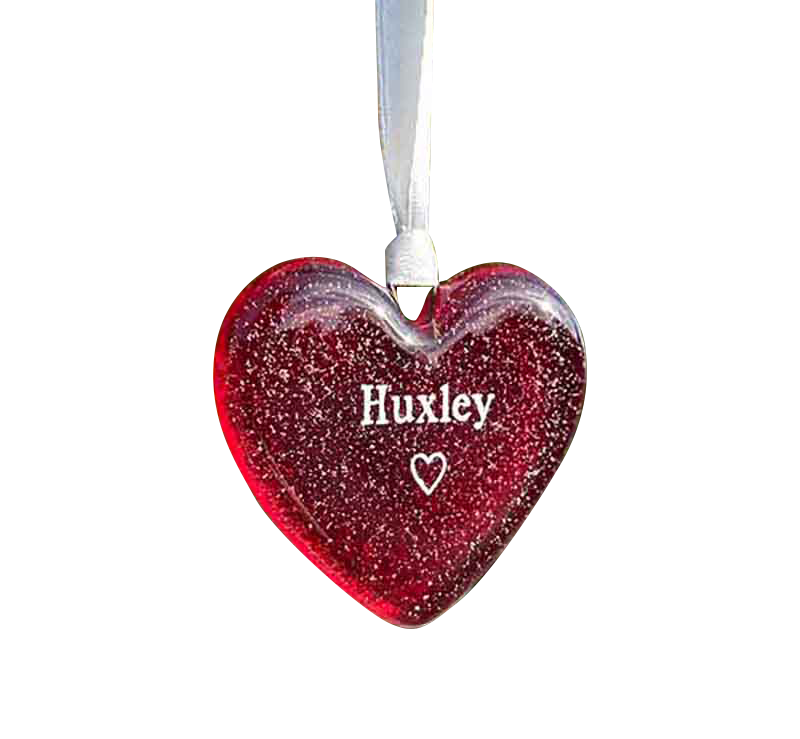
It’s also possible to turn the ashes into glass by adding them to molten pieces of glass. These can then be shaped and polished into gemstones or charms and added to jewellery — see Ashes to Glass.
What is fingerprint jewellery and how is it made?
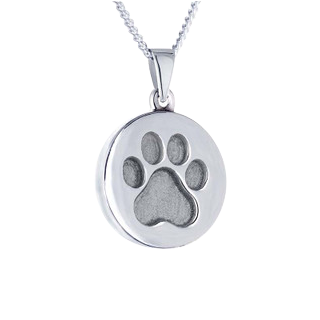
Fingerprint jewellery contains the fingerprint of a loved one, either through a method of taking an impression of their finger, or through a process of photographing their print and then laser etching this onto a piece of precious metal jewellery.
This will be a beautifully tactile piece of jewellery, as you’ll be able to feel the impression of the fingerprint. People will often choose this style if they want to wear something that they can reach for in moments of need.
To make fingerprint jewellery, you might take an impression of their finger before the person passes away. If the death is unexpected, you could take an impression after they have passed away. This could be achieved in a number of different ways. You can make a print of their finger using ink, or you could make an impression using wax.
If you have a wax impression, this can be used to make a casting that will then be filled with precious metal, resulting in a beautifully textured ring. If you have an ink impression, you could have the image laser etched onto a piece of jewellery.
How the two memorial styles differ
Fingerprint Jewellery
- ✓Preserves the unique physical identity of the person
- ✓Often highly tactile and comforting to touch
- ✓Does not require cremation ashes to be available
- ✓Can feel subtle and design-led rather than overtly memorial
- ✓Works well with engraving, handwriting, or hidden details
Ashes Jewellery
- ✓Contains a symbolic portion of cremation ashes
- ✓Creates a stronger sense of physical closeness for some people
- ✓Can incorporate kiln-fired glass, gemstones, or sealed chambers
- ✓Often chosen for heirloom-style memorial jewellery
- ✓Can also be combined with fingerprints, engraving, or birthstones
Which is right for you?
Choosing between fingerprint jewellery and ashes jewellery might be down to what is available to you. Not everyone will remember to take a fingerprint impression before their loved one is cremated. And some will forget to keep a portion of the ashes before they are scattered.
You should also think about what is more meaningful to you. Having their fingerprint to hand can feel more connected to the physical, while ashes feels more like a spiritual connection. Jewellery is tactile in nature, so you’ll always have something to reach for in moments of need. This can be hugely supportive as you navigate the grieving process.
One thing that you should always consider is the risk that you might lose the piece of jewellery, or it could be stolen from you. It’s important not to become too emotionally attached to the jewellery, as you risk deep upset if it is taken from you for any reason. The jewellery should be a source of comfort, but not at the expense of your wellbeing.
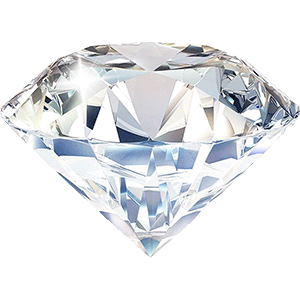
Considering diamonds from ashes vs memorial glass as part of your decision? Diamonds from ashes are costly and often appear yellow with inclusions. Many families choose memorial glass or a lab-grown diamond set over a hidden ashes chamber.
Learn more: Memorial Glass vs Diamonds or read Things You Need To Know About Cremation Jewellery.
Final thoughts
The choice between fingerprint jewellery and ashes jewellery is a deeply personal one. Think about what would bring you the most comfort and how you might reach for it in everyday life to feel support and closeness. You can also combine the ideas, by adding a fingerprint impression or etching onto a piece of ashes jewellery.
If you aren’t sure which one you would prefer, we recommend holding on to a small portion of the cremation ashes, as this will allow you to make a decision at a later date.